
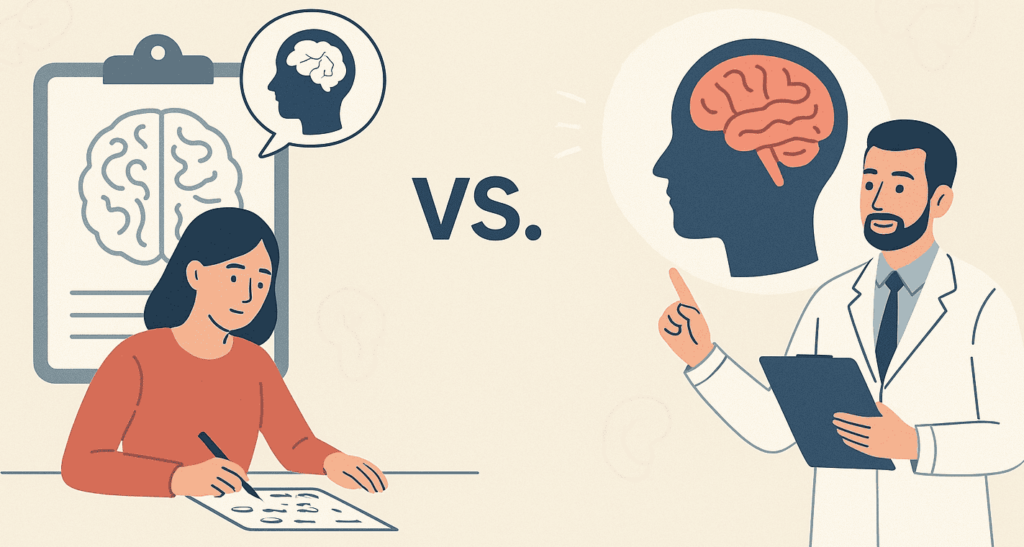
When memory issues or cognitive changes begin to appear, many people aren’t sure where to start. Should you see a neurologist? A neuropsychologist? Do you need both?
Although both specialists care for brain health, they focus on different parts of the evaluation process. Knowing the difference helps you get the right care without unnecessary delays.
What a Neurologist Does
A neurologist is a medical doctor who evaluates and treats medical conditions affecting the brain and nervous system.
Neurologists typically:
- Diagnose conditions like stroke, seizures, Parkinson’s disease, migraines
- Order and interpret MRIs, CT scans, EEGs, and lab tests
- Prescribe medications or medical treatments
- Evaluate sudden or severe neurological symptoms
When to See a Neurologist
- Sudden memory loss or confusion
- New severe headaches
- Seizures or loss of consciousness
- Weakness, speech trouble, or stroke-like symptoms
- Tremors or movement changes
Neurologists determine whether there is a medical or structural reason for your symptoms.
What a Neuropsychologist Does
A neuropsychologist is a doctoral-level clinician who evaluates how the brain is functioning through standardized cognitive testing.
Neuropsychologists typically assess:
- Memory
- Attention and concentration
- Processing speed
- Problem-solving and reasoning
- Language skills
- Mood and emotional functioning when relevant
Testing usually takes 2–4 hours and provides a detailed picture of your cognitive strengths and weaknesses.
When to See a Neuropsychologist
- Gradual or subtle memory loss
- Difficulty focusing or organizing
- Concerns about Mild Cognitive Impairment or early dementia
- Cognitive changes after concussion, stroke, or illness
- Questions about ADHD in adults
A neuropsychological evaluation can clarify whether symptoms reflect normal aging, medical conditions, or cognitive disorders.
Neurology vs. Neuropsychology: Key Differences
| Neurologist | Neuropsychologist |
|---|---|
| Medical doctor (MD) | Clinician with PhD or PsyD |
| Uses MRI, CT, EEG, labs | Uses cognitive tests |
| Identifies medical causes | Identifies functional cognitive impairments |
| Prescribes medication | Provides cognitive, behavioral, and emotional recommendations |
Both specialists play important roles in understanding brain health.
Why People Often Need Both
Many patients benefit from a combined approach.
Neurology helps answer:
- Is there a medical or structural change in the brain?
- Is medication needed?
- Are symptoms caused by stroke, seizures, or another condition?
Neuropsychology helps answer:
- How well is the brain functioning day to day?
- Which specific abilities are affected?
- What strategies or interventions can help?
Why Neuropsychological Testing Matters
Even when MRIs or blood tests look “normal,” people can still struggle with:
- Forgetfulness
- Word-finding issues
- Difficulty concentrating
- Slower thinking
- Trouble organizing tasks
Cognitive testing detects these issues early and provides clear, practical guidance.
Benefits include:
- Early detection of memory problems
- Distinguishing normal aging from concerning decline
- Understanding daily functional impact
- Personalized treatment recommendations
- Documentation for caregiving, accommodations, or next steps
How Momentous Health Can Help
At Momentous Health, we offer comprehensive neuropsychological evaluations to help patients and families understand memory and cognitive concerns.
Our services include:
- Clinical interviews
- Evidence-based cognitive testing
- Emotional and behavioral screening
- Diagnoses when appropriate
- Personalized care plans
- Recommendations for rehabilitation, medical follow-up, and caregiver support
Noticing changes in memory or thinking? Early evaluation helps you understand what’s happening and gives you the direction you need to move forward confidently.
| Take care of your brain, your brain will take care of you.
Momentous Health, a neuropsychology clinic that provides comprehensive cognitive care, from assessment and diagnosis to cognitive rehabilitation and long-term follow-up, all in one place. We understand the impact that cognitive challenges can have on every aspect of life, from work and school to personal relationships and daily routines. Our team of highly trained neuropsychologists work collaboratively with each patient to develop individualized treatment plans that prioritize their specific needs and goals. Visit Momentous Health Websit