
As we age, maintaining strong cognitive health becomes increasingly important. While some memory changes are a normal part of aging, research shows that certain habits can support brain function, improve memory, and even reduce the risk of cognitive decline. The good news? Many of these habits are simple, actionable, and can be incorporated into daily life.
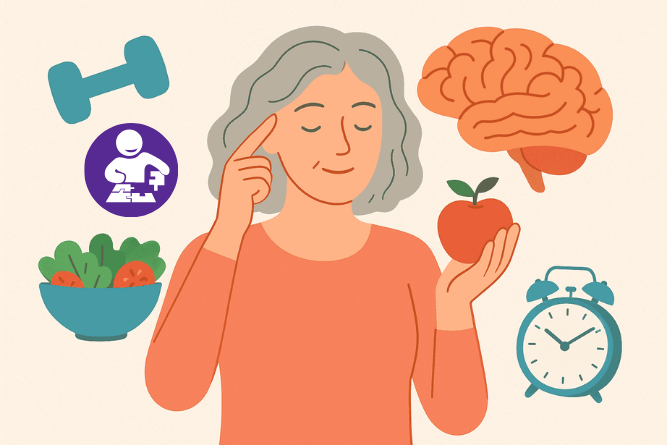
Here are five key habits that can help protect your brain after age 50.
1. Stay Physically Active
Physical activity isn’t just good for your heart and muscles — it’s essential for brain health. Regular exercise increases blood flow to the brain, promotes the growth of new neural connections, and reduces the risk of vascular problems that can impact cognition.
Tips to get moving:
- Aim for 150 minutes of moderate exercise per week, such as brisk walking, swimming, or cycling
- Include strength training twice a week to maintain muscle mass and balance
- Try balance or flexibility exercises, like yoga or tai chi, to reduce fall risk
Even small amounts of activity — a short walk after meals, taking the stairs, or stretching — can contribute to better memory and overall brain function.
2. Prioritize Sleep
Sleep plays a critical role in consolidating memories, clearing toxins from the brain, and supporting overall cognitive function. Poor or insufficient sleep can impair attention, processing speed, and memory.
Tips for better sleep:
- Stick to a consistent sleep schedule, even on weekends
- Create a relaxing bedtime routine (reading, warm shower, or meditation)
- Keep your bedroom dark, cool, and quiet
- Limit caffeine and screen time in the evening
Quality sleep not only improves daily focus but also helps reduce long-term risks for memory decline.
3. Stay Socially Engaged
Social interaction is one of the strongest predictors of cognitive health. Engaging with friends, family, and community members can stimulate your brain, improve mood, and reduce stress.
Ways to stay connected:
- Join a community group, hobby club, or volunteering opportunity
- Maintain regular phone or video calls with friends and family
- Participate in group activities like walking groups, exercise classes, or book clubs
Staying socially active helps maintain communication skills, memory, and emotional resilience — all of which support long-term brain health.
4. Challenge Your Brain
Keeping your brain engaged with new skills and mental challenges helps maintain cognitive function. The brain thrives when it’s learning, problem-solving, and adapting to new experiences.
Ideas for cognitive engagement:
- Learn a new language, musical instrument, or skill
- Solve puzzles, crosswords, or strategy games
- Take an online course or workshop in a subject you’re curious about
- Try activities that require planning and strategy, like cooking new recipes or gardening
Regular mental stimulation strengthens neural pathways and may help delay age-related memory decline.
5. Support Heart Health
What’s good for your heart is also good for your brain. High blood pressure, cholesterol, and diabetes can increase the risk of cognitive decline. Lifestyle changes that support cardiovascular health also protect cognitive function.
Heart-healthy habits for brain health:
- Eat a balanced diet, rich in fruits, vegetables, whole grains, and healthy fats (think Mediterranean-style eating)
- Monitor and manage blood pressure, cholesterol, and blood sugar
- Avoid smoking and limit alcohol intake
- Maintain a healthy weight and stay physically active
By taking care of your heart, you reduce the risk of vascular-related cognitive problems and help maintain memory and thinking skills.
Taking Small Steps Matters
Even if you can’t make all these changes at once, starting with one or two habits can make a meaningful difference. Over time, consistent healthy behaviors can strengthen your brain, support memory, and improve overall well-being.
When to Consider a Memory Check-Up:
If you notice changes in memory, focus, or daily functioning, an early cognitive evaluation can provide clarity and help you or a loved one take proactive steps.
By adopting these habits and staying proactive about brain health, you can protect your memory, maintain independence, and enjoy life with confidence as you age.
Take care of your brain, your brain will take care of you.
Momentous Health, a neuropsychology clinic that provides comprehensive cognitive care, from assessment and diagnosis to cognitive rehabilitation and long-term follow-up, all in one place. We understand the impact that cognitive challenges can have on every aspect of life, from work and school to personal relationships and daily routines. Our team of highly trained neuropsychologists work collaboratively with each patient to develop individualized treatment plans that prioritize their specific needs and goals. Visit Momentous Health Website